VectorSTEM • Featured Research Project
The Cello as a Complex Wave System
Feature Extraction, Phase Space, and Stability Transitions
This page presents the completed main manuscript of the cello wave-system project, together with its analytical companion text, foundational project files, and visual figures. The project investigates the cello as a controllable prototype of a coupled wave system through acoustics, spectral structure, feature-space geometry, and stability transitions.
Featured paper
Completed main manuscript with physically grounded feature extraction,
PCA-based phase-space analysis, curvature-based transition detection,
and qualitative validation on real cello recordings.
Acoustics
Waves
Physics
Modeling
Phase Space
Research
Main manuscript
Full paper presenting the central framework, results, and conclusion of the project.
Pipeline B
Real cello recordings used for qualitative validation of the synthetic model.
Transition detection
Curvature-based identification of the stability transition in reduced feature space.
Companion text
Extended analytical background, physical interpretation, and broader context.
Main research texts
Main Research Paper
Completed manuscript presenting a coupled-wave framework for cello acoustics
through physically motivated feature extraction, reduced phase-space analysis,
and stability-transition detection, with validation on real cello recordings.
Core figures from the paper
Figure 1 — PCA: Three Bowed String Instruments
PCA projection of violin, cello, and double bass, together with the scree plot.
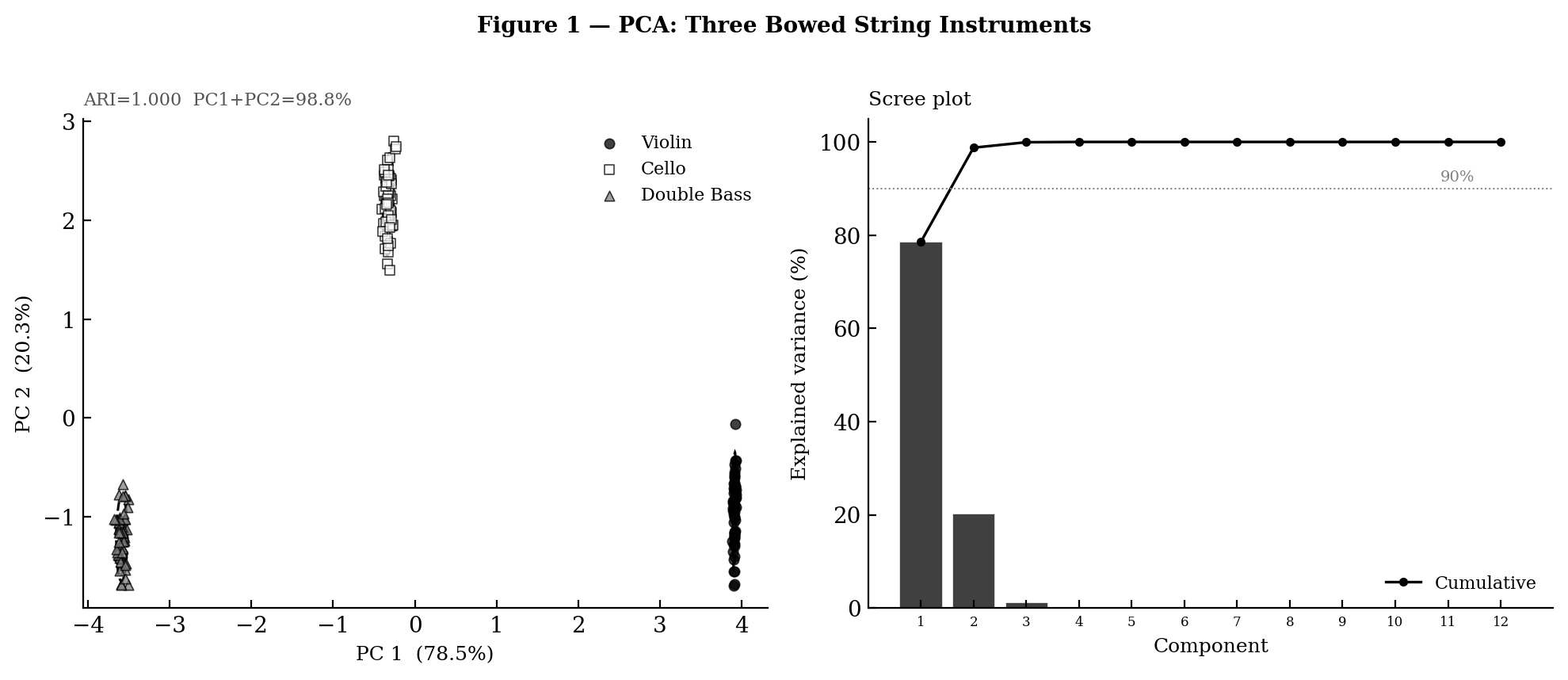
Figure 2 — Cello Regime Space and Stability Trajectory
Regime clustering for stable, harsh, and near-breaking sound, with the continuous stability trajectory.
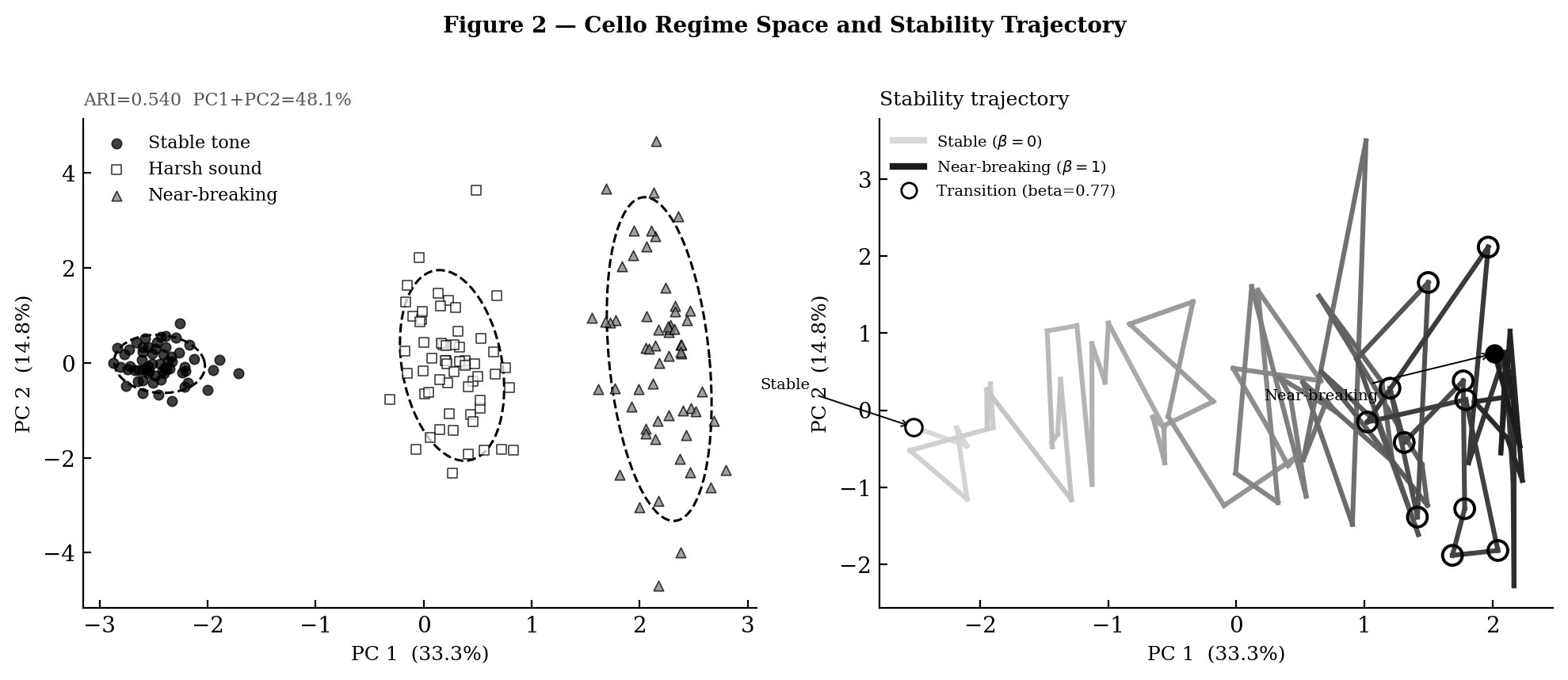
Figure 3 — PCA Loadings: Physical Interpretation
Loading structure for instrument classification and cello-regime discrimination.
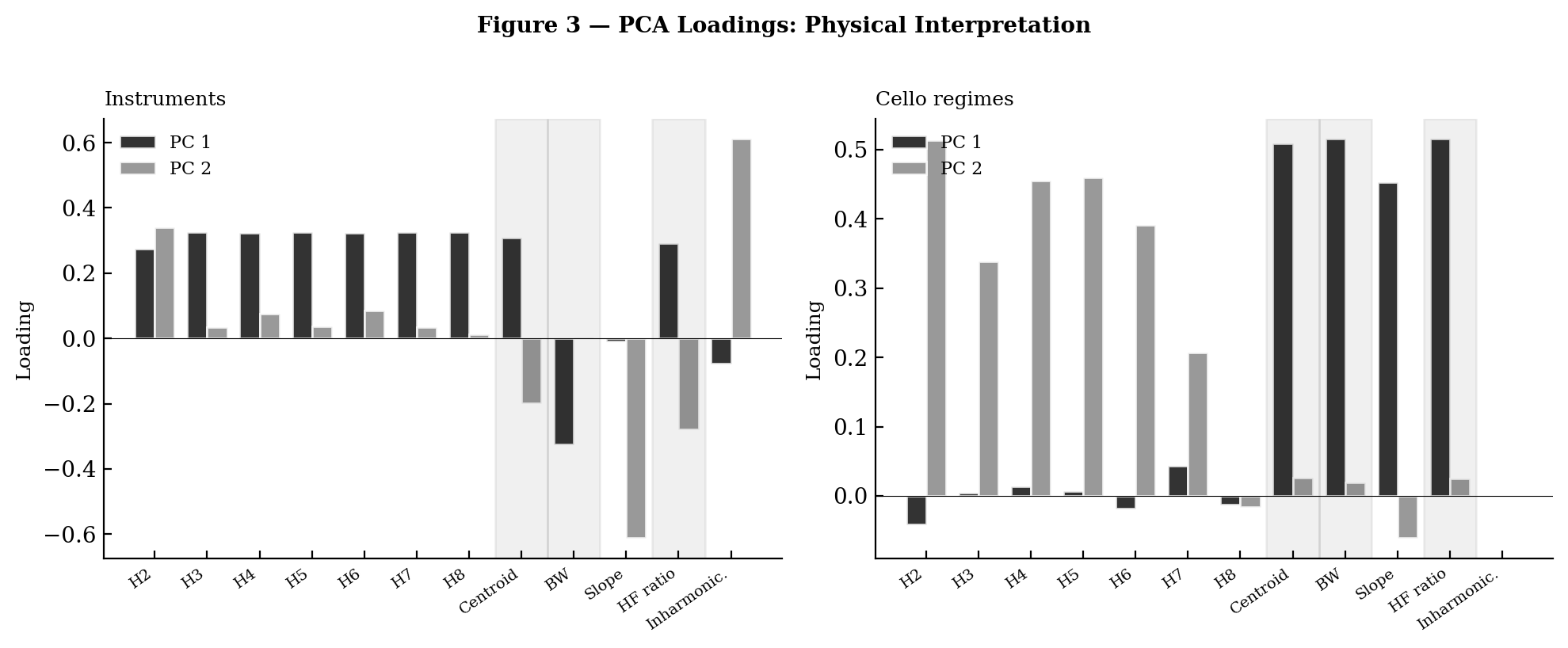
Figure 4 — Trajectory Curvature
Curvature-based localisation of the stability transition in reduced phase space.
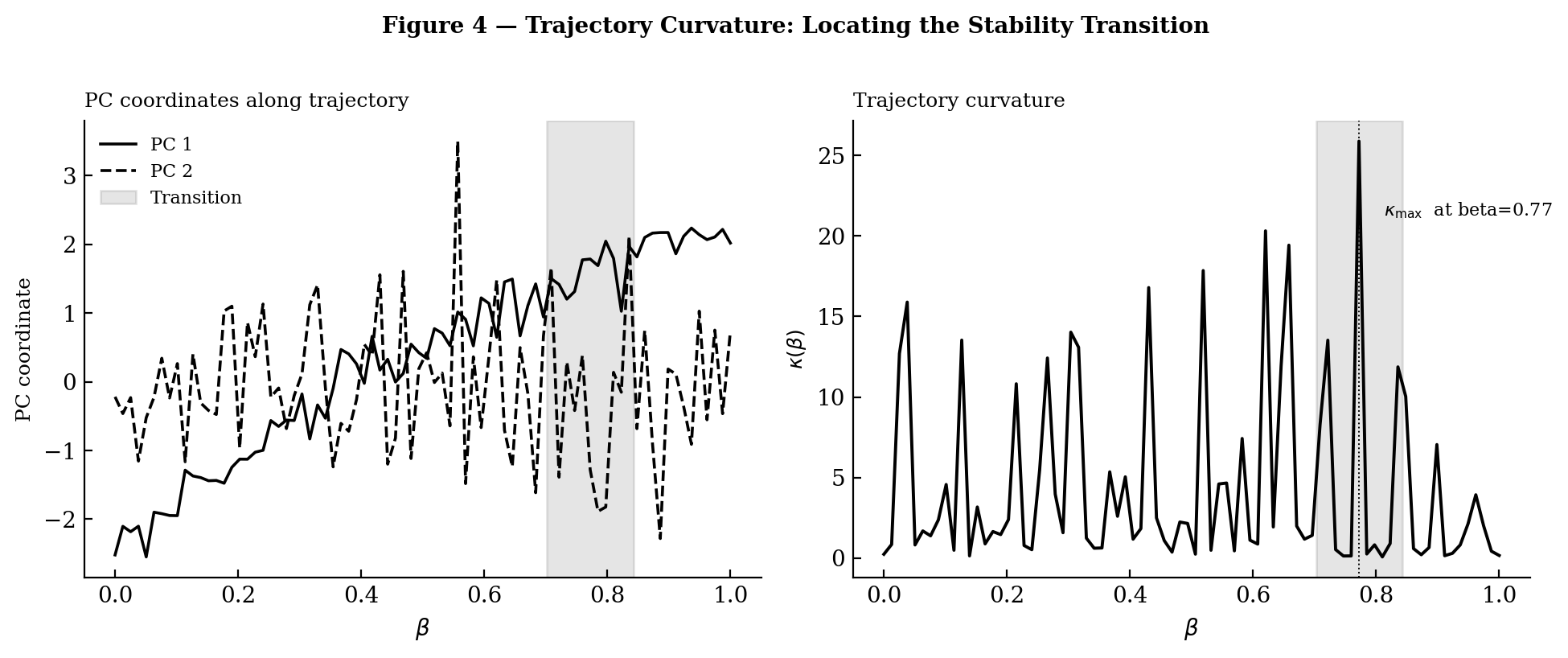
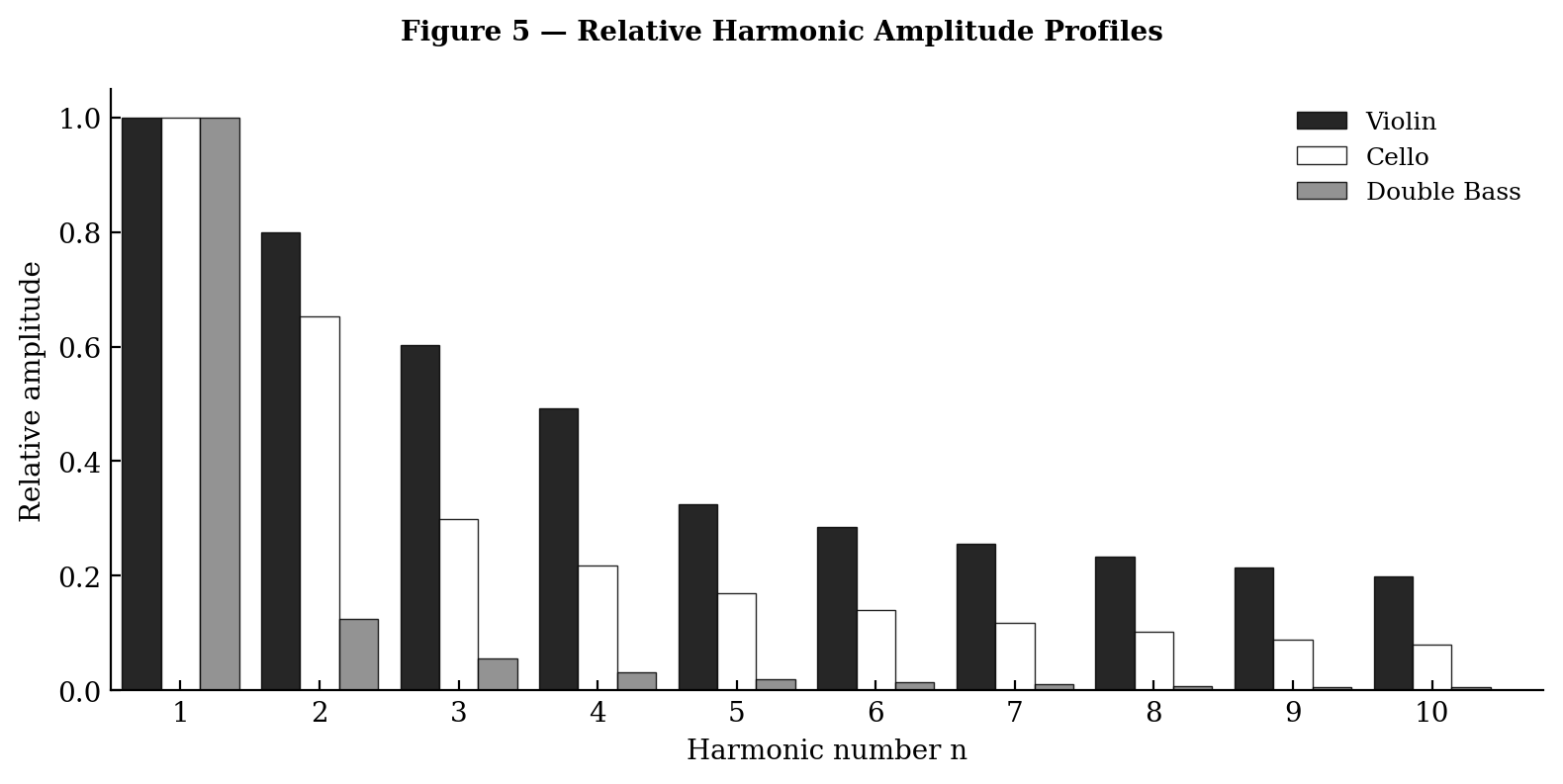
Figure 5 — Relative Harmonic Amplitude Profiles
Relative harmonic profiles for violin, cello, and double bass.
Validation figures: real cello recordings
Figure A — Real Cello Recordings: Waveforms
Quasi-stationary waveform segments for light, medium, and heavy bow pressure.
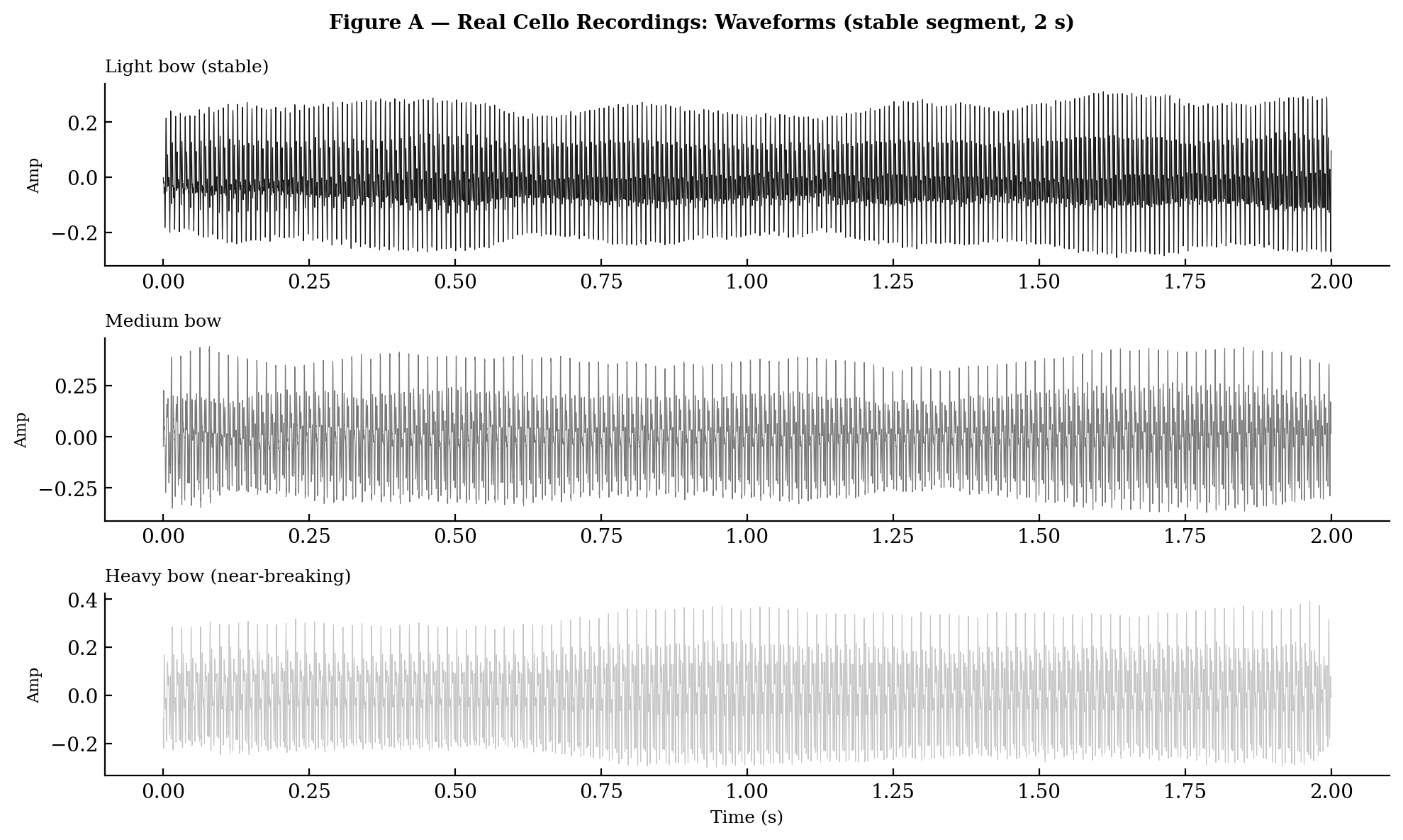
Figure B — Real Cello: Power Spectra and Harmonic Profiles
Overlaid power spectra and harmonic profiles extracted from the real recordings.
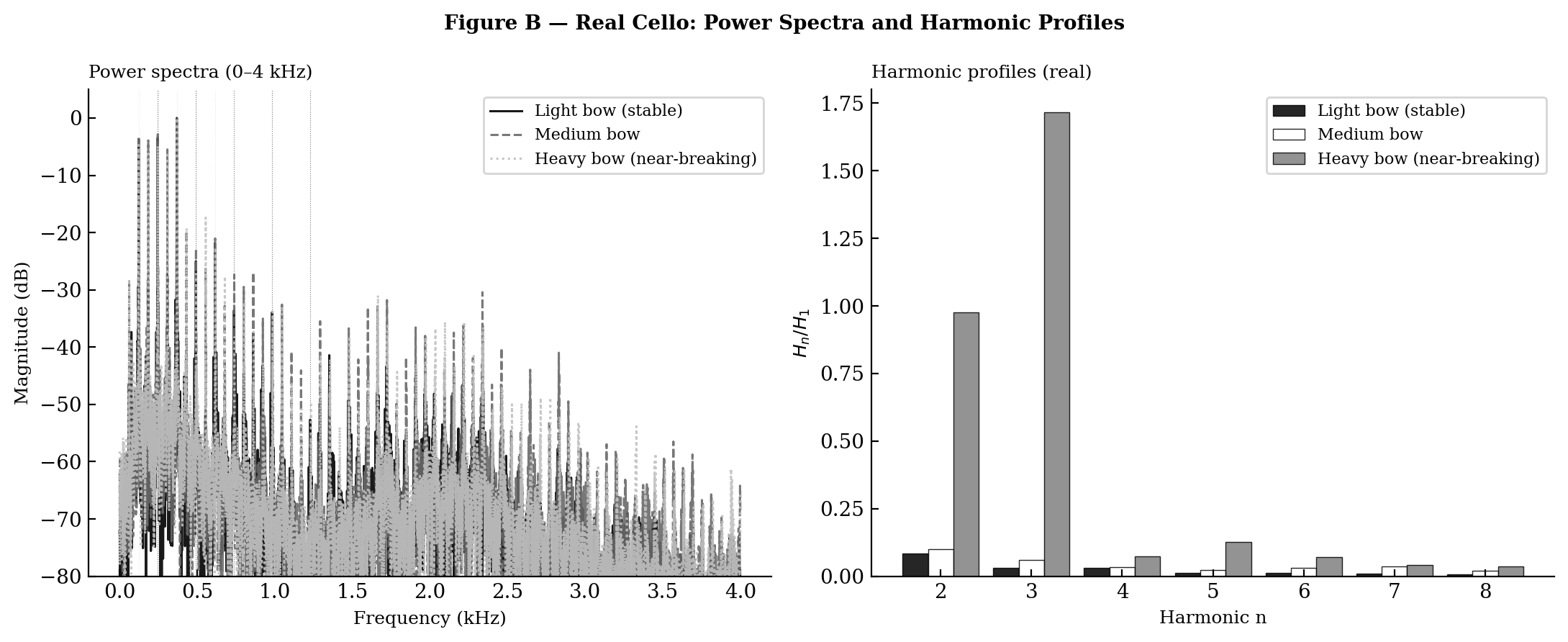
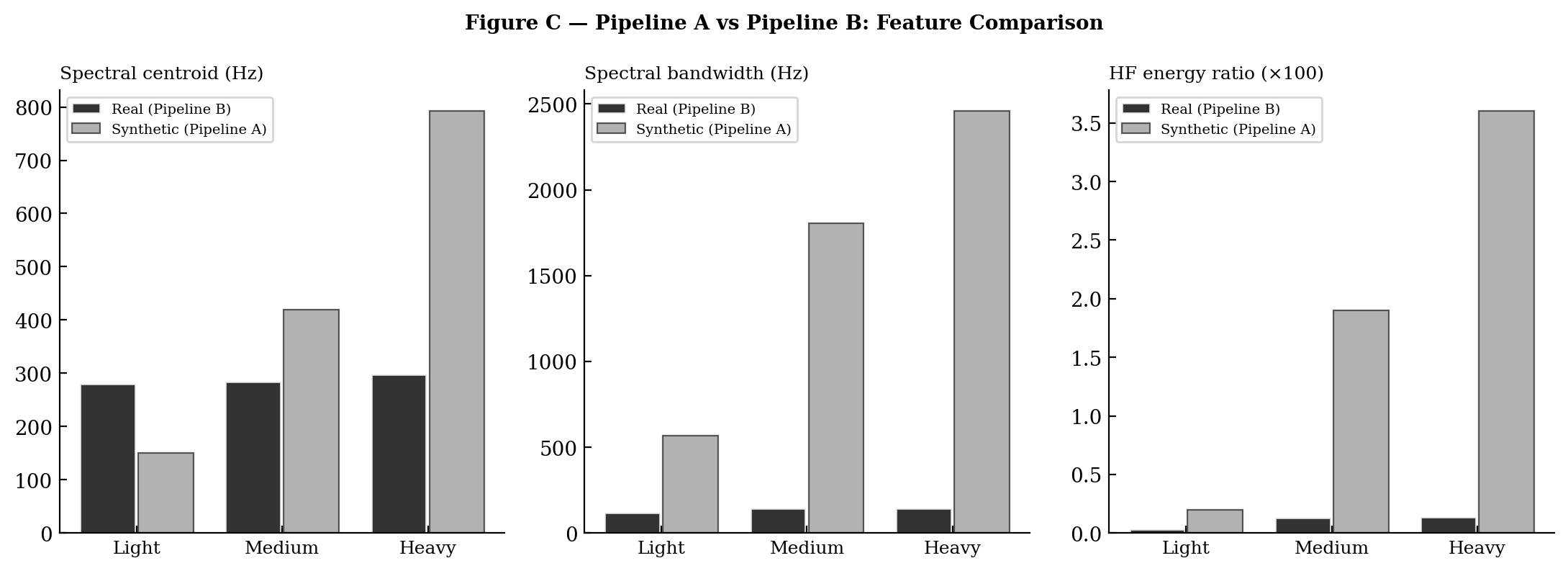
Figure C — Pipeline A vs Pipeline B
Comparison of key features between the synthetic model and real cello recordings.
Project development files
Part 1 — Bow Physics
Physical foundations of bowed-string motion, including stick-slip interaction,
Helmholtz motion, and the governing wave model.
Part 2 — Feature Vector
Construction of the feature space: from acoustic signal to physically motivated spectral descriptors and state representation.
Part 3 — Phase Space
Reduced feature-space geometry, clustering structure, and curvature-based detection of regime transitions.